Track Engineering
The track, or 'permanent way', is the fundamental physical infrastructure of a railway. It guides the trains and transfers their massive weight safely into the ground.
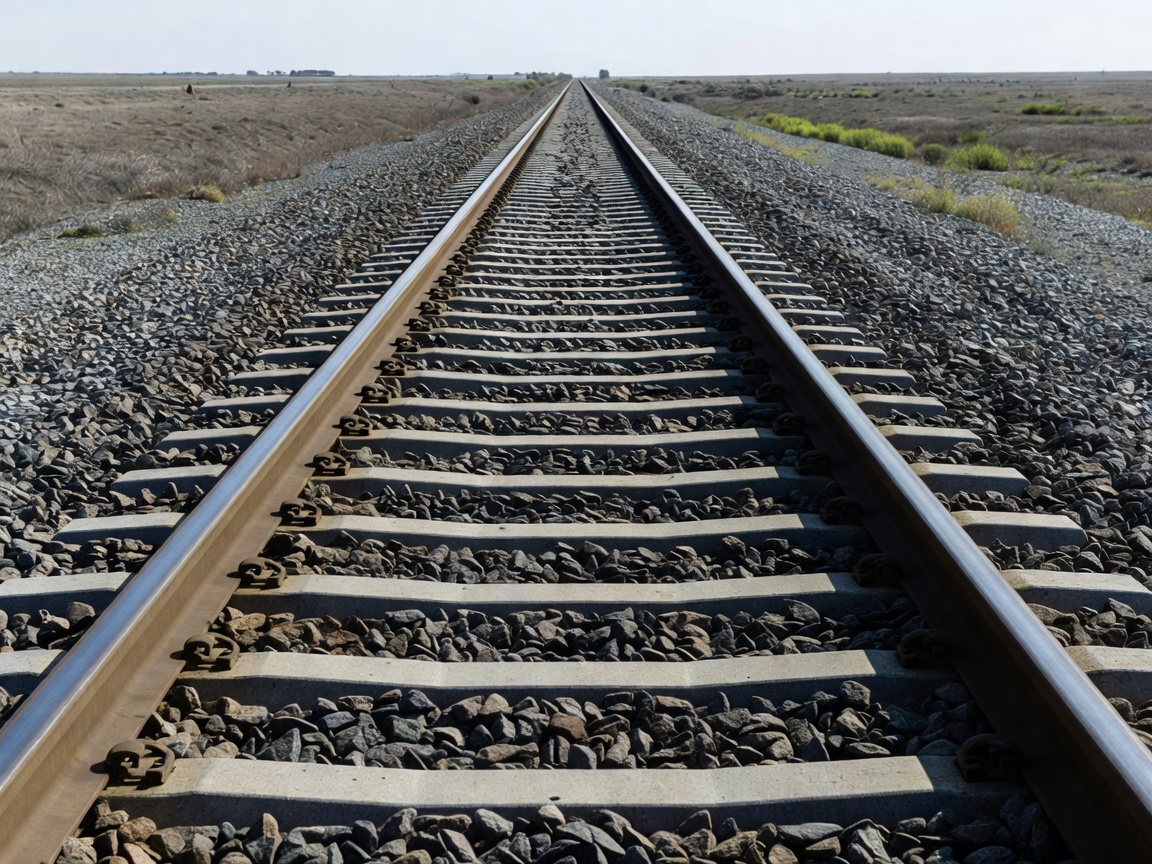
Track Anatomy Interactive
Modern railway track is a complex, multi-layered engineered structure. Select a component below to understand its function within the track system.
Steel Rail
The rail provides a smooth, hard running surface. The most common profile is the flat-bottomed rail. Rails are usually welded together into Continuous Welded Rail (CWR) to eliminate the joints, providing a smoother ride and reducing wear. The rail steers the flanged wheels of the train.
Fastening Systems
Fastenings (or clips) secure the rail to the sleeper. They must clamp the rail firmly to maintain the correct gauge, while allowing slight longitudinal movement for thermal expansion in welded rails. They also provide elasticity to absorb vibration.
Sleeper (Tie)
Sleepers hold the rails at the correct gauge (distance apart) and transfer the point loads from the rails onto the wider surface area of the ballast. Modern sleepers are predominantly pre-stressed concrete, though timber and steel are also used in specific applications.
Ballast
Crushed stone ballast holds the sleepers securely in place against longitudinal and lateral forces. It provides a resilient, load-distributing bed that also allows water to drain freely away from the track structure.
Formation and Subgrade
Beneath the ballast lies the formation (often a compacted sub-ballast layer) and the natural subgrade. This earthen foundation must bear the ultimate weight of the trains. If the subgrade fails, the track geometry above will distort.
Drainage
Effective drainage is critical. If water saturates the ballast or subgrade, the track bed loses its strength, leading to rapid deterioration of track geometry (a condition known as 'wet beds'). Ditches and catchpits are engineered into the trackside.
Switches and Crossings (S&C)
Switches and crossings (also known as turnouts or points) are mechanical installations enabling railway trains to be guided from one track to another. They are complex mechanical structures subject to intense wear and tear.
- Switch Blades: Moving rails that physically direct the train wheels.
- Crossing (Frog): The assembly that allows the wheel flanges to cross over the intersecting rail.
- Check Rails: Guide rails placed opposite the crossing to ensure the wheels pass safely through the gap in the crossing.